Two Hundred Years of Light and Time
The First Photograph and the Beginning of a New Way of Seeing
In the summer of 1827, Joseph Nicéphore Niépce produced an image that fundamentally altered humanity’s relationship with the visible world. Using a process he called heliography, Niépce discovered that a surface prepared with light-sensitive material could preserve the action of light itself. He exposed light-sensitive material in a camera obscura for several hours through the window of his estate at Le Gras and demonstrated that light could leave a permanent trace.
The resulting image was modest, depicting buildings, a courtyard, and the surrounding environment. However, this simple scene marked the inception of photography. For the first time, reality was not solely represented by the artist’s hand; instead, the world itself participated in the creation of its own image. This innovation emerged at a moment when artists and thinkers were debating the purpose of art, particularly in relation to realism. While earlier art movements such as Romanticism focused on emotion and interpretation, photography offered a new possibility for depicting reality directly. The emergence of photography became one of the forces that influenced movements such as Realism and Impressionism, opening new windows for "reality". Two hundred years later, Niépce’s experiment remains one of the defining moments in Art history. Not because it was the first photograph alone, but because it introduced a new way of understanding light and time.
The Beginning That Remains Uncertain
The first photograph carries an unusual historical paradox. For many years, Niépce’s image was dated to 1826. More recent research suggests that it was most likely created in July 1827. This one-year difference reveals something deeper about photography itself. A photograph appears to capture a precise moment, but this is not always the case; even the beginning of photography cannot be reduced to a single unquestionable date. Perhaps this uncertainty is appropriate. The first photograph was not created instantly. It required a long exposure, allowing sunlight to transform reality slowly. Its birth was not a sudden event, but a gradual encounter between light, chemistry, and time.
When Light Became a Participant
Before photography, images were created through the physical actions of artists. The artist shaped the material directly through drawing, painting, or sculpture. Photography introduced a different relationship. Light became an active participant in the creation of the image. Niépce’s achievement was not only technical. He discovered a new form of dialogue between the world and its representation. The photograph was not simply an image made by a person looking at reality; it was a trace created through an encounter between reality and the instrument that recorded it. This changed the meaning of seeing. Photography became a way of preserving not only what existed, but the moment in which something existed.
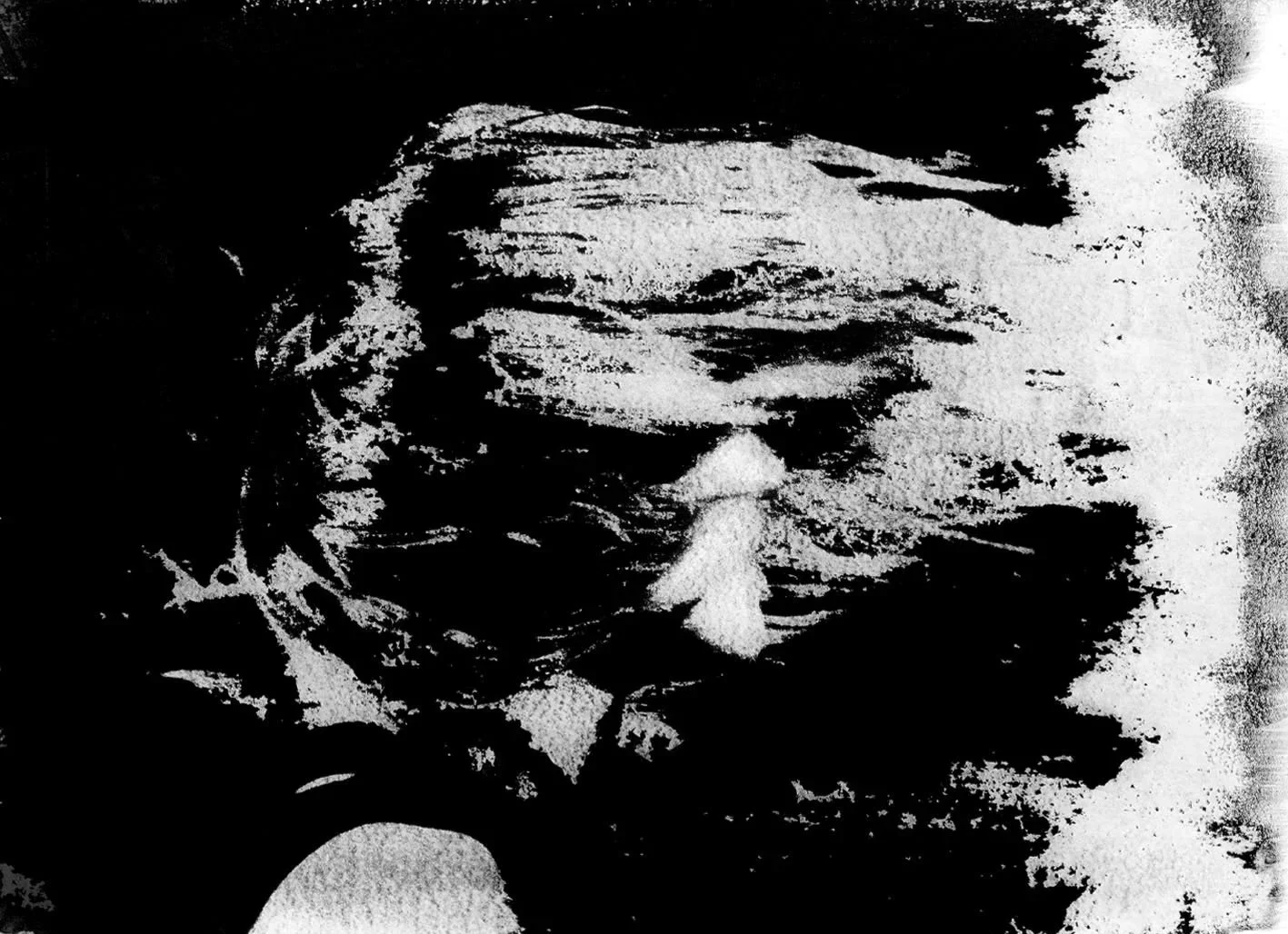
Photography, Light, Time and Reality
Two centuries later, we live in a world surrounded by images. Photographs are created instantly, distributed globally, digitally transformed, and increasingly produced by artificial systems. Yet the essential question remains unchanged: What does it mean to capture reality? Susan Sontag reminds us that photography is never only a mechanical reproduction of the world. Every photograph represents a choice, a decision about what deserves attention, what moment should be preserved, and how reality should be approached. The camera does not simply record the world; it creates a new relationship with the world. From Niépce’s first experiment to contemporary photographic practices, photography continues to exist between observation and interpretation, between reality and memory.
Two Hundred Years Later
The history of photography is not only a history of technology. It is a history of human curiosity, of our desire to preserve what disappears, to remember what changes, and to understand what we see. Niépce’s first photograph was the beginning of a process that continues today. Every photograph made after it carries the same fundamental question:
How can light and time transform a fleeting moment into memory? Two hundred years after the first image, photography continues to explore that question. It is not only a record of the world. It is a way of seeing the world.